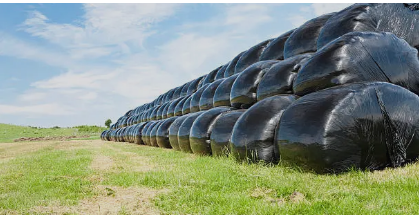
Australia’s agricultural sector continues to face growing challenges, from unpredictable weather patterns to increasing demand for sustainable farming practices. For livestock producers and crop farmers alike, ensuring the preservation of high-quality feed is vital for both animal productivity and overall farm profitability. One essential tool in modern feed management is durable silage plastic. This proven solution not only protects valuable crops but also supports efficiency and long-term value in farming operations.
The Role of Silage in Australian Farming
Silage plays a central role in livestock production across Australia. With the country’s variable climate—ranging from prolonged droughts to heavy rainfall—farmers must store feed in a way that maintains its nutritional quality while preventing spoilage. Silage ensures that cattle, sheep, and other livestock have access to high-quality forage year-round, even when pasture growth slows or weather conditions limit fresh feed availability.
However, the effectiveness of silage depends heavily on the protective covering used. Poor-quality or easily damaged plastic exposes silage to oxygen, pests, and moisture, resulting in significant losses. That is why durable silage plastic has become indispensable for Australian farmers looking to safeguard their investment and maximise returns.
Why Durability Matters in Silage Plastic
Unlike standard coverings, durable silage plastic is engineered to withstand Australia’s harsh conditions. From intense UV exposure in summer to heavy storms in the wet season, the plastic must maintain its integrity for extended periods. Durability provides three key advantages:
Enhanced Feed Protection – High-quality silage plastic acts as a reliable barrier against oxygen infiltration, preventing mould growth and nutrient degradation.
Reduced Waste – Stronger plastics resist tearing and puncturing, lowering the risk of feed spoilage and reducing the need for additional covering layers.
Long-Term Value – Although durable silage plastic may cost more upfront, it delivers significant savings by preserving a larger percentage of feed and reducing the need for replacement.
Maximising Farm Efficiency with Durable Silage Plastic
Efficiency is a cornerstone of successful farming. Every wasted hour, ton of feed, or dollar spent on unnecessary repairs can cut into profits. By investing in durable silage plastic, Australian farmers can streamline operations in several ways:
Time Savings – With fewer repairs needed, farmers spend less time patching silage pits or covering stacks.
Improved Feed-Out Efficiency – Well-preserved silage is easier to handle and feed to livestock, reducing labour demands.
Consistent Quality – Maintaining feed quality ensures that livestock receive a steady nutritional intake, supporting improved growth rates and milk production.
When combined, these factors significantly enhance the productivity and profitability of farm operations.
Crop Protection in Australia’s Climate
Australia’s farming environment is unique and often unpredictable. Farmers contend with high UV levels that can rapidly degrade low-quality plastics, strong winds capable of lifting coverings, and pest activity that compromises silage stacks. Durable silage plastic is specifically designed to resist these challenges.
UV Resistance – Modern silage plastics incorporate UV stabilisers, ensuring they remain intact even under prolonged exposure to intense sunlight.
Weather Resilience – Extra strength helps withstand wind, rain, and physical stress without tearing.
Pest Deterrence – Thicker layers make it more difficult for birds, rodents, and other animals to penetrate and spoil feed.
By addressing these environmental risks, durable silage plastic provides farmers with
confidence that their investment is protected, regardless of seasonal variability.
Supporting Sustainability and Waste Reduction
Sustainability has become a priority for Australian agriculture, with growing expectations from consumers, regulators, and the global market. Durable silage plastic contributes to sustainable practices in several ways:
Less Feed Loss – Reducing spoilage directly lowers the environmental impact of wasted crops.
Extended Plastic Lifespan – Stronger plastics require fewer replacements, resulting in decreased overall plastic use over time.
Recycling Opportunities – Many suppliers now offer recycling programs, enabling farmers to responsibly dispose of used silage plastics and reduce landfill contributions.
By aligning with sustainable farming initiatives, durable silage plastic not only benefits farmers financially but also supports broader industry goals.
Conclusion:
For Australia’s farmers, protecting silage is about more than just preserving feed—it’s about ensuring the sustainability, efficiency, and profitability of their entire operation. Durable silage plastic has emerged as a key solution, combining strength, reliability, and long-term value to meet the challenges of modern agriculture.
By reducing waste, safeguarding crop quality, and enhancing efficiency, durable silage plastic allows Australian farmers to better manage their resources and focus on growth. In a farming landscape defined by both challenges and opportunities, this simple yet powerful investment continues to prove its worth in maximising productivity and securing long-term success.