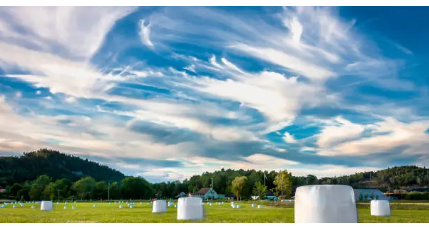
Australian farmers rely on high-quality forage to maintain healthy, productive livestock throughout changing seasons. Silage wrap plays a vital role in preserving harvested forage by creating an airtight environment that supports proper fermentation. Understanding how silage wrap works helps producers make informed decisions about feed storage, reduce waste, and maximise the nutritional value of their crops. Whether managing a dairy, beef, or sheep operation, knowing the science behind silage wrapping can improve efficiency and profitability.
What Is Silage Wrap?
Silage wrap is a specialised stretch film designed to seal forage such as grass, lucerne, maise, and cereal crops after they have been baled. Once the forage reaches the ideal moisture content, it is compressed into round or square bales and immediately wrapped using multiple layers of high-quality plastic film.
The primary purpose of the wrap is to prevent oxygen from entering the bale. By creating an oxygen-free environment, beneficial bacteria can ferment the forage naturally, preserving its nutritional value for months until it is needed for feeding livestock.
This preservation method is widely used across Australia, where weather conditions can vary significantly between regions. Farmers can harvest forage at the optimal stage without relying entirely on ideal drying conditions.
How Silage Wrap Works
The effectiveness of silage preservation depends on limiting oxygen exposure. Once the forage is baled, several layers of stretch film tightly surround the bale, forming an airtight seal.
Inside the sealed bale, naturally occurring lactic acid bacteria begin consuming plant sugars. As they produce lactic acid, the pH gradually drops, creating conditions that inhibit the growth of mould, yeast, and harmful bacteria.
This fermentation process allows the forage to retain much of its original nutritional value while remaining stable during storage.
For the best results, silage wrap should be applied immediately after baling. Delaying wrapping increases oxygen exposure, which can negatively affect fermentation and reduce feed quality.
Why Airtight Sealing Matters
The success of silage preservation depends on maintaining a complete oxygen barrier. Even small holes or tears can allow air to enter the bale, leading to spoilage and nutrient loss.
An effective seal offers several important benefits:
● Encourages consistent fermentation
● Reduces mould growth
● Preserves protein and energy content
● Minimises dry matter losses
● Extends storage life
● Improves feed consistency throughout the year
Australian producers often inspect wrapped bales regularly to identify punctures caused by birds, wildlife, machinery, or handling equipment. Prompt repairs help maintain feed quality.
The Importance of Film Quality
Not all wrapping films perform equally under Australian farming conditions. High-quality silage wrapping technology are engineered to withstand intense sunlight, temperature fluctuations, and extended outdoor storage.
Important characteristics include:
Strong Stretch Performance
Good-quality film stretches evenly while maintaining excellent cling between layers. This creates a tighter seal and reduces the risk of trapped air pockets.
UV Protection
Australia’s high UV exposure can rapidly degrade ordinary plastic films. Premium silage wrapping products contain UV stabilisers that help protect the film during long-term outdoor storage.
Tear and Puncture Resistance
Handling equipment, transport, and wildlife can damage wrapped bales. Durable films resist tearing while maintaining their protective barrier.
Consistent Thickness
Uniform film thickness ensures reliable wrapping performance and dependable oxygen protection across every bale.
Benefits for Australian Farmers
Australian agriculture often experiences unpredictable rainfall, extended dry periods, and fluctuating seasonal conditions. Proper silage storage provides valuable flexibility when pasture availability changes.
Using silage wrap offers several advantages:
Better Feed Availability
Stored silage provides a dependable feed reserve during droughts, winter shortages, or delayed pasture growth.
Reduced Feed Waste
Properly preserved forage experiences significantly lower spoilage compared with poorly stored feed.
Improved Livestock Performance
High-quality silage retains valuable nutrients that support milk production, weight gain, and animal health.
Greater Harvest Flexibility
Farmers can harvest forage at its nutritional peak without waiting for extended drying periods required for hay production.
Cost Savings
Reducing spoilage means more harvested forage becomes usable feed, improving the return on every hectare harvested.
Best Practices for Successful Silage Wrapping
Achieving excellent silage begins long before wrapping. Every stage of harvesting influences the final feed quality.
Some recommended practices include:
● Harvest forage at the correct maturity.
● Maintain the ideal moisture content before baling.
● Produce dense, tightly packed bales.
● Wrap bales immediately after baling.
● Apply the recommended number of film layers.
● Store bales on clean, well-drained surfaces.
● Inspect regularly for damage and repair punctures promptly.
Following these steps helps maximise fermentation quality and minimise storage losses.
Common Mistakes to Avoid
Even premium wrapping materials cannot compensate for poor management practices.
Some common errors include:
● Wrapping forage that is too wet or too dry
● Delaying wrapping after baling
● Using insufficient film layers
● Handling wrapped bales roughly
● Ignoring small punctures
● Storing bales in areas with excessive debris or standing water
Avoiding these mistakes improves long-term feed preservation and reduces unnecessary losses.
Choosing the Right Silage Wrap for Australian Conditions
Selecting the appropriate film depends on several operational factors, including bale type, storage duration, machinery compatibility, and local climate.
Farmers should evaluate:
● UV resistance suitable for Australian conditions
● Stretch capability
● Oxygen barrier performance
● Tear resistance
● Compatibility with wrapping equipment
● Manufacturer quality standards
Working with reputable agricultural suppliers helps ensure the chosen product performs consistently throughout the storage period.
Conclusion
Silage wrap is much more than a protective plastic covering—it is an essential preservation system that allows Australian farmers to store nutritious forage efficiently throughout the year. By creating an airtight environment, the wrap enables natural fermentation while protecting feed from oxygen, moisture, mould, and spoilage.
Understanding how silage wrap works helps producers maximise feed quality, reduce waste, and strengthen their operations against seasonal challenges. Combined with proper harvesting, wrapping, and storage practices, quality silage wrapping remains one of the most effective investments for maintaining reliable livestock nutrition across Australia’s diverse farming regions.