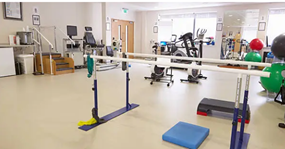
Recovering from a sports injury involves more than waiting for pain to disappear. Athletes need to rebuild strength, control and confidence before returning to competition. VALD technology helps Adelaide sports physiotherapists objectively measure these physical qualities, replacing guesswork with measurable rehabilitation milestones. Using tools such as ForceDecks, HumanTrak and Dynamo, clinicians can assess limb symmetry, force production, movement patterns and muscle function throughout recovery.
For competitive athletes, weekend warriors and post-operative ACL or hamstring patients, these insights help guide training progression and inform return-to-sport decisions based on individual performance rather than time alone.
How VALD Technology Supports Sports Physiotherapy
Traditional rehabilitation assessments often rely on manual muscle testing, clinical observation and functional exercises. These methods remain valuable, but they may not reveal subtle strength deficits or limb-specific movement differences.
VALD technology is a rehabilitation equipment in physiotherapy that adds quantitative data to clinical assessments. Physiotherapists can track changes across multiple sessions, identify weaknesses and adjust exercise programs according to the athlete’s progress.
In Adelaide, this approach can benefit athletes returning to community football, competitive running, court sports and other physically demanding activities. However, technology supports clinical judgement rather than replacing a comprehensive assessment.
Three VALD Tools That Measure Recovery
ForceDecks: Assessing Strength and Power
ForceDecks uses force plates to measure how an athlete interacts with the ground during movements such as jumps, squats and landing tasks. This biomechanical force plate assessment, which SA clinicians can use, provides information about force production, loading strategies, and differences between the limbs.
Results can help identify:
Limb asymmetry: Differences in how much force each leg produces or absorbs.
Peak force: The maximum force recorded during a specific task.
Jump performance: Measures that help assess explosive power and rehabilitation progress.
Landing control: How an athlete distributes force when returning to the ground.
ForceDecks strength assessment SA services may use these findings to monitor recovery following ACL reconstruction, lower-limb injuries or periods of reduced activity.
HumanTrak: Evaluating Movement Quality
Strength alone does not guarantee safe movement in sport. HumanTrak uses camera-based motion analysis to assess movement patterns during selected exercises and functional tasks.
Physiotherapists can examine joint positions, range of motion and movement control during activities such as squats, lunges and single-leg tasks. These observations help clinicians identify compensations that may persist even after an athlete regains basic strength.
For athletes preparing to sprint, change direction or land after a jump, HumanTrak can complement strength testing and movement retraining.
Dynamo: Measuring Muscle Force
Dynamo provides handheld dynamometry for measuring muscle strength during targeted assessments. It allows clinicians to quantify force across specific muscle groups, including the quadriceps, hamstrings and hip muscles.
Following a hamstring strain or ACL reconstruction, repeated measurements can reveal whether strength is improving and whether meaningful differences remain between limbs. These results also help physiotherapists adjust resistance exercises and decide when more demanding activities are appropriate.
Objective Rehabilitation Testing in Adelaide
A reliable return-to-sport plan combines test results with symptoms, movement quality and sport-specific demands. For objective rehabilitation testing in Adelaide, athletes should seek physiotherapists who may establish baseline measurements, reassess performance during rehabilitation and repeat relevant tests before competition resumes.
A structured assessment may include:
Reviewing injury history, pain and current training tolerance.
Measuring strength and movement capacity using appropriate VALD tools.
Comparing results with previous assessments and the athlete’s individual goals.
Introducing progressive running, jumping and change-of-direction drills.
Reviewing test results alongside clinical findings before increasing training demands.
For athletes pursuing SANFL return-to-play physio support, testing can help inform readiness for sprinting, tackling and repeated high-intensity efforts. However, no single score guarantees that an athlete is ready to compete.
Turning Test Results Into Safer Decisions
VALD data is most useful when interpreted in context. Limb symmetry can appear satisfactory even when both legs remain weaker than expected, while fatigue, pain and testing technique can influence results.
Return-to-sport decisions should therefore consider absolute strength, movement control, sport-specific workload and psychological readiness. Neuromuscular fatigue also deserves attention, particularly when athletes must maintain performance across repeated efforts.
Book a Data-Driven Rehabilitation Assessment
VALD technology gives Adelaide sports physiotherapists practical tools to measure recovery, identify persistent deficits and guide rehabilitation progression. Combined with experienced clinical assessment and sport-specific training, objective testing can make return-to-sport decisions more informed.
If you are recovering from an ACL injury, hamstring strain or another sports-related condition, consult a qualified sports physiotherapist in Greater Adelaide about a personalised assessment and evidence-informed return-to-sport plan.
Frequently Asked Questions
1. What is VALD technology in physiotherapy?
VALD is a technology provider offering assessment systems that help clinicians measure strength, force production, movement and physical performance during rehabilitation.
2. How do ForceDecks help after ACL surgery?
ForceDecks measure force during selected movements, helping physiotherapists assess loading differences, jump performance and progress as part of a broader ACL rehabilitation program.
3. Can HumanTrak identify movement problems?
HumanTrak provides camera-based movement analysis that helps clinicians assess movement patterns, joint positions and control during selected functional tasks.
4. How does Dynamo measure muscle strength?
Dynamo uses handheld dynamometry to quantify muscle force during targeted tests. Repeated assessments help track strength changes throughout rehabilitation.
5. Does VALD testing determine when an athlete can return to sport?
No. VALD results contribute objective information, but return-to-sport decisions also require clinical assessment, sport-specific testing, appropriate training tolerance and consideration of the athlete’s overall recovery.