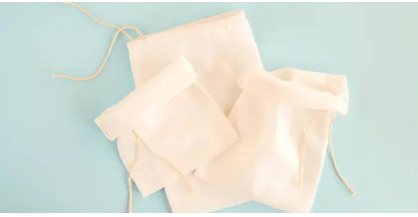
In the modern industrial and agricultural sectors, packaging solutions must combine durability, efficiency, and sustainability. Heavy-duty stockinette bags have emerged as a versatile solution for Australian businesses seeking robust, reusable, and environmentally responsible options. Designed to withstand demanding conditions while minimising environmental impact, these bags are increasingly the preferred choice for industries ranging from agriculture to manufacturing.
Understanding Heavy Duty Stockinette Bags
Heavy-duty stockinette bags are made from high-quality knitted or woven materials, designed to offer strength, flexibility, and breathability. Unlike standard packaging options, these bags can endure significant weight and rough handling, making them suitable for transporting agricultural produce, industrial components, and bulk materials. Their knitted construction allows for a balance between stretch and tensile strength, ensuring that even heavy loads can be securely contained without risk of tearing.
In Australia, the demand for such resilient packaging has grown steadily, driven by a focus on operational efficiency, product protection, and sustainable practices. Companies are recognising that investing in high-quality stockinette bags not only safeguards goods but also enhances brand reputation by demonstrating commitment to eco-friendly solutions.
Applications in Agriculture
Agriculture is one of the primary industries benefiting from heavy-duty stockinette bags. Farmers and distributors require packaging that can protect crops such as potatoes, onions, and citrus fruits during storage and transportation. The breathable nature of these bags prevents moisture accumulation, reducing the risk of spoilage and extending the shelf life of perishable products.
Heavy-duty stockinette bags are particularly effective for bulk handling, as they can be filled, stacked, and transported efficiently.
Their durability ensures that even under the rigours of machinery handling and long-distance transport, the integrity of the contents remains uncompromised. Additionally, reusable stockinette bags support sustainable farming practices, allowing producers to reduce single-use plastic waste and adopt a circular economy model.
Industrial Uses and Benefits
Beyond agriculture, heavy-duty stockinette bags have found a strong foothold in industrial applications. Manufacturing facilities, warehouses, and distribution centres require packaging solutions that can withstand rigorous handling while protecting sensitive materials. Heavy-duty stockinette bags meet these requirements by offering high tensile strength, abrasion resistance, and flexibility.
Industries such as construction, automotive, and textiles utilise these bags for storing and transporting components, raw materials, and finished products. The adaptability of stockinette bags allows businesses to customise sizes, closures, and reinforcements, ensuring each application is optimised for safety and efficiency. Using heavy-duty stockinette bags reduces product damage, minimises replacement costs, and streamlines logistics operations.
Durability and Longevity
One of the key advantages of heavy-duty stockinette bags is their durability. Manufactured using premium fibres and advanced weaving techniques, these bags resist tearing, puncturing, and wear over time. This longevity translates into a lower total cost of ownership, as businesses need to replace bags less frequently compared to conventional packaging.
Furthermore, many suppliers in Australia offer reinforced designs with additional stitching or double-layered materials, which enhance the strength for extremely heavy or sharp-edged items. This reliability is critical in industries where product safety and operational efficiency cannot be compromised.
Eco-Friendly Advantages
Sustainability is becoming an increasingly important factor in packaging decisions. Heavy-duty stockinette bags align perfectly with environmental goals by offering reusable and recyclable alternatives to single-use plastic sacks. By adopting these bags, Australian businesses can significantly reduce their carbon footprint and waste generation.
Some stockinette bags are made from biodegradable or partially recycled materials, making them even more attractive for environmentally conscious operations. Beyond material composition, the reusability of these bags encourages multiple life cycles, promoting a culture of responsible consumption and disposal.
Customisation Options for Australian Businesses
Australian businesses benefit from the ability to customise heavy-duty stockinette bags to meet specific operational needs. Suppliers offer various sizes, closures, and printed branding options, enabling companies to create packaging that aligns with their product specifications and marketing strategies.
Customisable features, including drawstrings, reinforced handles, and ventilation holes, enhance functionality while providing branding opportunities. For instance, a farm producing premium citrus can utilise branded, breathable stockinette bags that communicate quality while preserving fruit integrity during transport.
Conclusion:
Heavy-duty stockinette bags represent a reliable, sustainable, and versatile packaging solution for Australian industries. From agriculture to manufacturing, their durability, breathability, and customisation options address the challenges of modern logistics and product protection. By choosing these eco-friendly and resilient bags, businesses can optimise efficiency, enhance product quality, and contribute to a greener, more sustainable supply chain.
As Australia’s industrial and agricultural sectors continue to evolve, heavy-duty stockinette bags will remain an essential component in meeting the demands of durability, safety, and environmental responsibility.